
Sub-Total: $0.00
DVR vs. NVR Security Camera Systems: Which Is Right for You?
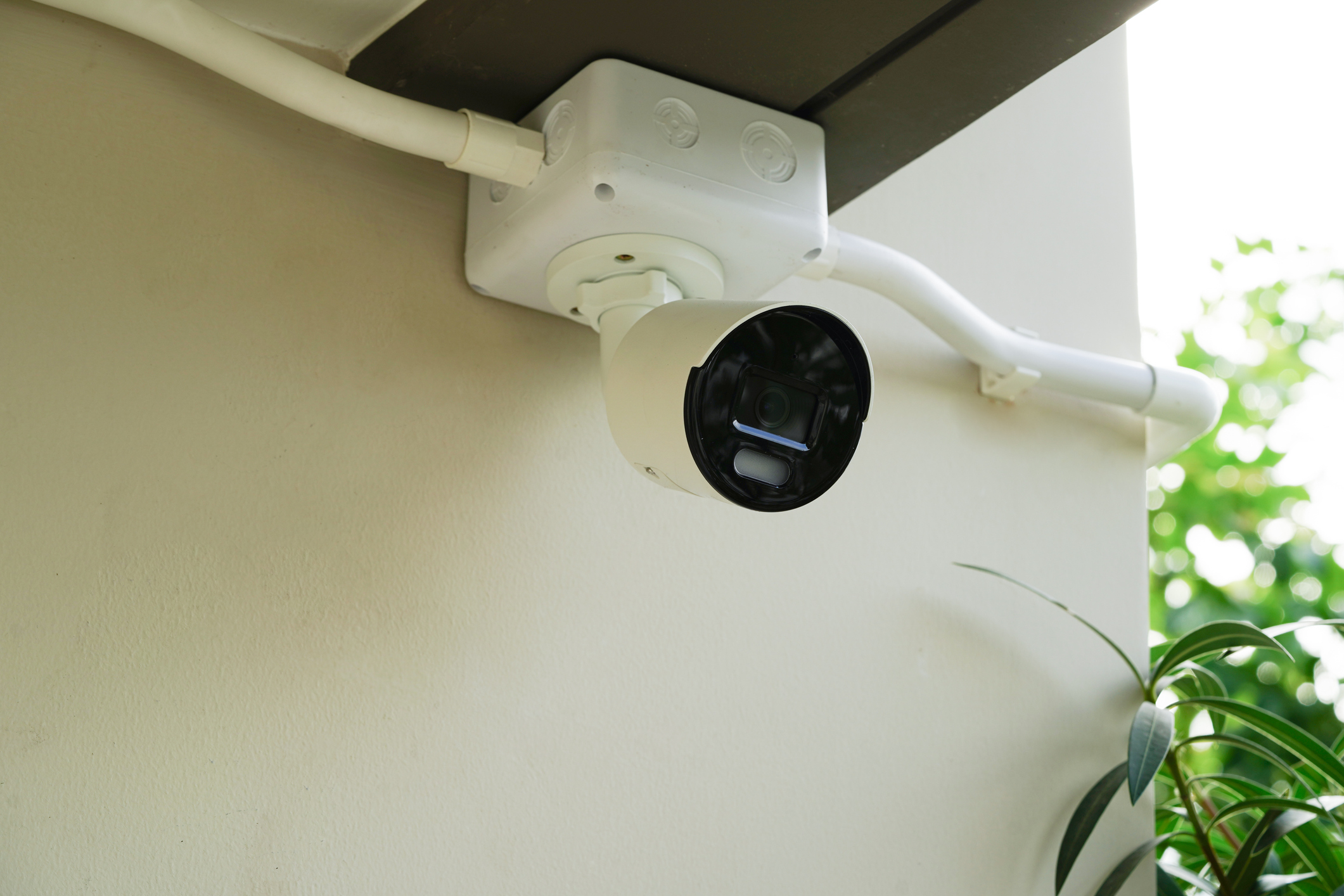
Security cameras play an important role in protecting businesses, offices, and other properties. However, choosing the right cameras is only part of building an effective surveillance system. The recording equipment also matters. Two common options are Digital Video Recorders (DVRs) and Network Video Recorders (NVRs).
Understanding the differences between these systems can help you choose equipment that meets your security requirements, installation needs, and budget.
What Is a DVR Security System?
A Digital Video Recorder (DVR) works with compatible analog security cameras to record and store video footage. The cameras transmit video signals to the recorder, which processes the footage and makes it available for playback.
DVR systems are often suitable for properties with existing analog cameras and coaxial cabling. Depending on compatibility, organizations may be able to upgrade their recording equipment without replacing the entire surveillance setup.
When choosing a DVR, consider the number of camera channels, supported video formats, storage capacity, and connections required for your installation.
What Is an NVR Security System?
A Network Video Recorder (NVR) records footage from compatible IP cameras. These cameras process video digitally and transmit it to the recorder over a network.
NVR systems are commonly used in modern surveillance installations that rely on network cameras. Some models also support Power over Ethernet (PoE), allowing compatible cameras to receive power and transmit data through a single Ethernet cable.
Before selecting an NVR, review its supported camera channels, network requirements, storage options, and compatibility with your existing equipment.
Key Differences Between DVR and NVR Systems
Although both systems record surveillance footage, their technologies and installation requirements differ.
DVR systems typically use analog cameras connected through coaxial cabling, while NVR systems use IP cameras that transmit digital video over a network. DVRs process video at the recorder, whereas NVR-compatible IP cameras process video before sending it to the recording system.
The right choice depends on your existing infrastructure, camera requirements, and plans for future expansion. Neither system is automatically the better option for every property.
How to Choose the Right Recording System
Consider Your Existing Equipment
If your property already has analog cameras, a compatible DVR may be a practical option. If you use IP cameras or are planning a network-based installation, an NVR may be more suitable.
Always check camera and recorder compatibility before purchasing new equipment.
Evaluate Your Storage Requirements
The amount of storage you need depends on the number of cameras, video resolution, recording settings, compression, and how long you want to retain footage.
Choose a recorder with sufficient storage capacity for your requirements, and confirm which hard drives are supported by the equipment.
Think About Future Expansion
Your surveillance requirements may change as your business grows or your property layout evolves. Consider how many cameras you may need in the future and whether the recorder can accommodate additional devices.
Check channel capacity, network bandwidth, and other model-specific limitations before making a decision.
Review Your Budget
Your overall investment includes more than the recorder itself. Account for compatible cameras, cabling, storage drives, installation, and ongoing maintenance.
Comparing the total cost of each option can help you select a system that meets your requirements without unnecessary expenses.
Why Equipment Compatibility Matters
A surveillance system depends on several components working together. Cameras, recorders, hard drives, cables, power supplies, and mounting accessories must be suitable for the intended installation.
Checking specifications before purchasing can help prevent compatibility problems and reduce the risk of buying equipment that does not meet your needs.
If you are upgrading an existing system, identify your current equipment and verify which components can be reused.
Find Surveillance Equipment at Sparks Electronics, Inc.
Choosing between a DVR and an NVR starts with understanding your property’s security needs and the equipment required to support them. By evaluating camera compatibility, storage capacity, installation requirements, and future expansion, you can make a more informed decision.
Sparks Electronics, Inc. offers a range of surveillance equipment, including DVRs, NVRs, IP cameras, hard drives, cables, and camera accessories.
Explore the available products to find equipment suited to your surveillance setup and organizational requirements.